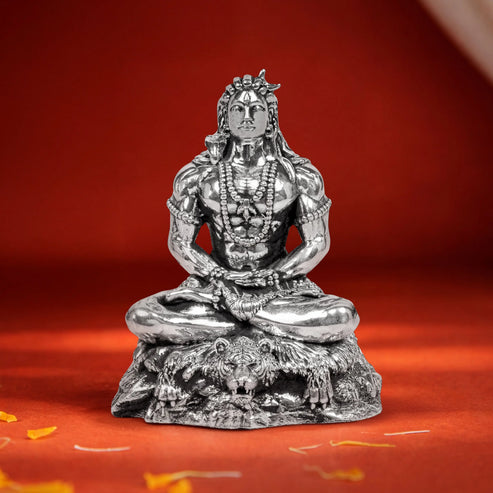
The Shiva statue is one of the most recognizable and revered symbols in Hinduism. Standing majestically in temples, pilgrimage sites, gardens, meditation centers, and public spaces, it represents Lord Shiva—the supreme deity associated with transformation, meditation, destruction of evil, and spiritual awakening. For millions of devotees around the world, a Shiva statue is not merely a sculpture but a sacred embodiment of divine energy and cosmic consciousness.
Lord Shiva, often known as Mahadev or "The Great God," occupies a unique place in Hindu philosophy. He is worshipped as the destroyer within the Hindu Trinity, alongside Brahma the Creator and Vishnu the Preserver. However, Shiva’s role as the destroyer is not about chaos or devastation. Instead, it symbolizes the destruction of ignorance, ego, negativity, and illusion, making way for renewal, growth, and enlightenment.
Throughout history, Shiva statues have served as powerful spiritual symbols, artistic masterpieces, and cultural landmarks. Their intricate details, profound symbolism, and majestic presence continue to inspire people from all walks of life. Whether viewed through a religious, artistic, or philosophical lens, the Shiva statue remains one of humanity’s most meaningful and enduring representations of divine wisdom.
Historical Origins of Shiva Statues
The origins of Shiva worship can be traced back thousands of years. Archaeological evidence from the Indus Valley Civilization suggests that forms of Shiva worship may have existed as early as 2500 BCE. One of the most famous discoveries is the Pashupati Seal, which depicts a figure seated in a meditative posture surrounded by animals. Many scholars believe this figure represents an early manifestation of Lord Shiva.
As Hinduism evolved, Shiva became one of its most important and widely worshipped deities. In the earliest stages, devotees primarily worshipped Shiva through symbolic forms such as the Shiva Lingam, which represents infinite cosmic energy and the formless nature of the divine.
Over time, artists and sculptors began creating human representations of Shiva, incorporating sacred symbols and attributes that reflected his spiritual significance. During the Gupta period, Indian sculpture reached new heights of refinement, and Shiva statues became increasingly sophisticated. Later dynasties, particularly the Cholas of South India, produced some of the most celebrated Shiva sculptures in history.
These artistic traditions have continued for centuries, resulting in the diverse and magnificent Shiva statues seen around the world today.
Symbolism in Shiva Statues
Every aspect of a Shiva statue carries deep spiritual meaning. The symbols incorporated into the statue communicate important teachings about life, consciousness, and the universe.
The Third Eye
One of Shiva’s most distinctive features is the third eye located on his forehead. This eye symbolizes wisdom, intuition, and higher awareness. It represents the ability to perceive truths beyond ordinary sight.
According to mythology, Shiva’s third eye possesses the power to destroy ignorance and illusion, revealing ultimate reality.
Crescent Moon
The crescent moon resting on Shiva’s head signifies time and the cyclical nature of existence. It reminds devotees that life constantly changes and that all experiences are temporary.
The moon also symbolizes emotional balance and mental tranquility.
River Ganga
Many Shiva statues depict the sacred River Ganga flowing from Shiva’s matted hair. According to legend, Shiva received the descending river from heaven and controlled its immense force before allowing it to flow onto Earth.
This imagery symbolizes purity, compassion, and divine grace.
Serpent Around the Neck
The cobra coiled around Shiva’s neck represents courage, fearlessness, and mastery over death. In yogic philosophy, it also symbolizes Kundalini energy, the dormant spiritual force within every individual.
Trident (Trishul)
The Trishul is Shiva’s most iconic weapon and symbol. Its three prongs represent creation, preservation, and destruction—the three essential forces of the universe.
The Trident also signifies mastery over the body, mind, and spirit.
Damaru Drum
The Damaru, a small hourglass-shaped drum, symbolizes the cosmic vibration from which all creation emerged. Its rhythmic sound represents the ongoing cycle of birth, life, death, and rebirth.
Sacred Ash
Shiva is often shown covered in sacred ash, symbolizing the temporary nature of material existence. It serves as a reminder that worldly possessions and achievements are fleeting compared to spiritual wisdom.
Different Forms of Shiva Statues
Shiva appears in many forms, each representing a different aspect of his divine personality.
Meditating Shiva
The image of Shiva seated in deep meditation is one of the most popular forms. Sitting atop Mount Kailash, Shiva embodies inner peace, self-discipline, and spiritual awareness.
This form is particularly meaningful for yoga practitioners and meditation enthusiasts, as it symbolizes mastery over the mind and senses.
Nataraja: The Cosmic Dancer
The Nataraja form depicts Shiva performing the cosmic dance known as Tandava. Surrounded by a ring of flames, Shiva dances upon ignorance and illusion.
This dance symbolizes the continuous cycle of creation, preservation, destruction, and renewal that governs the universe. The Nataraja statue is widely regarded as one of the greatest achievements of Indian art and philosophy.
Ardhanarishvara
Ardhanarishvara combines Shiva and Goddess Parvati into a single figure, with one half male and the other half female.
This form symbolizes the balance and unity of masculine and feminine energies, emphasizing that creation depends upon harmony between complementary forces.
Dakshinamurthy
As Dakshinamurthy, Shiva appears as the supreme teacher and source of wisdom. He is often depicted seated beneath a banyan tree, imparting spiritual knowledge to disciples.
Bhairava
Bhairava is a fierce manifestation of Shiva associated with protection and the destruction of evil. Statues of Bhairava often convey strength, authority, and fearlessness.
Famous Shiva Statues Around the World
Several Shiva statues have gained international recognition due to their monumental scale and spiritual significance.
Adiyogi Shiva Statue
Located near Coimbatore in Tamil Nadu, the Adiyogi statue stands 112 feet tall and is one of the largest bust sculptures in the world. It represents Shiva as the first yogi and the originator of yogic science.
The monument attracts visitors from around the globe who seek inspiration in yoga, meditation, and spirituality.
Murudeshwar Shiva Statue
Situated on the coast of Karnataka, the Murudeshwar Shiva statue overlooks the Arabian Sea and ranks among the tallest Shiva statues in the world.
Its breathtaking location and majestic design make it a major pilgrimage and tourist destination.
Kailashnath Mahadev Statue
Located in Nepal, this giant Shiva statue is one of the tallest depictions of Shiva globally. It serves as both a religious site and an architectural marvel.
Mangal Mahadev Statue
Standing in Mauritius, the Mangal Mahadev statue symbolizes the strong Hindu heritage of the island nation and attracts thousands of devotees each year.
Artistic Craftsmanship
Creating a Shiva statue requires exceptional artistic skill and deep understanding of sacred traditions. Sculptors often follow guidelines outlined in ancient texts known as the Shilpa Shastras.
These texts specify ideal proportions, symbolic features, and artistic principles that ensure the statue accurately reflects divine qualities.
Common materials used include:
- Granite
- Marble
- Bronze
- Brass
- Copper
- Sandstone
- Wood
Each material offers unique artistic possibilities. Bronze allows intricate detailing, while stone conveys permanence and grandeur.
Artists devote careful attention to Shiva’s expression, ensuring it radiates serenity, wisdom, and compassion.
Spiritual Importance
For devotees, Shiva statues serve as focal points for worship, meditation, and prayer. They help create a sacred environment that encourages spiritual reflection and inner peace.
Common devotional practices include:
- Chanting “Om Namah Shivaya”
- Offering flowers and fruits
- Lighting lamps and incense
- Performing ritual bathing ceremonies
- Practicing silent meditation
Many families place Shiva statues in their homes, believing they attract positive energy, protection, and spiritual blessings.
The image of Shiva in meditation encourages individuals to cultivate patience, mindfulness, and self-awareness.
Shiva Statues and Modern Spirituality
In modern times, Shiva statues have gained popularity far beyond traditional religious settings. As interest in yoga, meditation, and mindfulness continues to grow globally, Shiva is increasingly recognized as a universal symbol of inner transformation.
Yoga studios, wellness retreats, and spiritual centers often display Shiva statues as reminders of discipline, balance, and self-realization.
Even people who do not follow Hinduism are drawn to Shiva’s image because of its powerful message of peace, resilience, and spiritual growth.
Cultural and Economic Impact
Large Shiva statues contribute significantly to cultural tourism and local economies. Millions of visitors travel each year to see these monuments, generating employment and supporting local communities.
The creation of Shiva statues also helps preserve traditional sculpting techniques passed down through generations. These artistic traditions represent an invaluable part of cultural heritage.
Furthermore, Shiva statues serve as ambassadors of Indian philosophy and spirituality, introducing people worldwide to the richness of Hindu culture.
Conclusion
The Shiva statue is much more than a religious sculpture. It is a timeless symbol of divine power, spiritual wisdom, and cultural excellence. Through its rich symbolism and artistic beauty, it communicates profound truths about life, transformation, and self-discovery.
From ancient temples and sacred shrines to modern monuments and meditation centers, Shiva statues continue to inspire devotion, reflection, and personal growth. They remind humanity that true strength comes not from material wealth or physical power but from inner peace, wisdom, and spiritual awareness.
As generations continue to seek meaning and enlightenment, the Shiva statue remains a powerful beacon of hope, guiding people toward harmony, self-realization, and a deeper connection with the universe.